
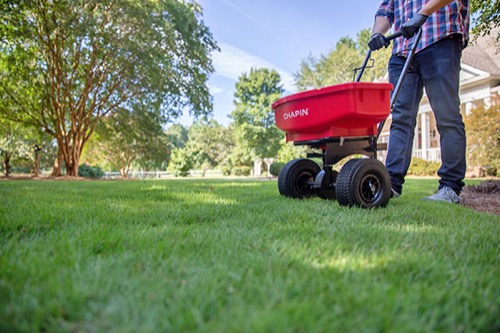
If your lawn took a beating this past winter, you’re not alone. Many Ridge homeowners saw widespread damage caused by the European chafer beetle—a persistent and destructive pest in our area. The damage may have started underground last fall, but now is when we can stop the cycle before it begins again.
Why it is important to treat your lawn now
The real threat isn’t the beetle itself, it’s the grubs. These white, C-shaped larvae feed on grass roots from late summer through spring, causing patches of turf to yellow, brown, and eventually die off. You might also have noticed raccoons or crows tearing up lawns in search of these grubs, often making the damage even worse
By June, adult beetles begin emerging and preparing to lay eggs in dry, untreated turf. That means the next generation of grubs is just weeks away from hatching, and now is the best time to prevent them.
What you can do now
For long-term lawn health, mid-June to mid-July is the window to apply a preventive grub treatment. Look for products that contain imidacloprid, chlorantraniliprole, or similar ingredients labeled for season-long grub control. These treatments work best before eggs hatch and grubs start feeding again in late summer.
Tips for success:
- Apply preventive treatments now through mid July.
- Water thoroughly after application to help the product soak into the root zone.
- Follow all label instructions and safety precautions.
A healthy, well-watered lawn is also less appealing to beetles looking for a place to lay eggs. Mowing high, watering deeply, and avoiding drought stress can all reduce the likelihood of future infestations.
Let’s break the cycle
By acting now, we can help prevent another season of damaged lawns and unsightly turf. If you’re unsure about which treatment to use or how to apply it, consider reaching out to a local garden center or lawn care professional for guidance.

 The Ridge HOA